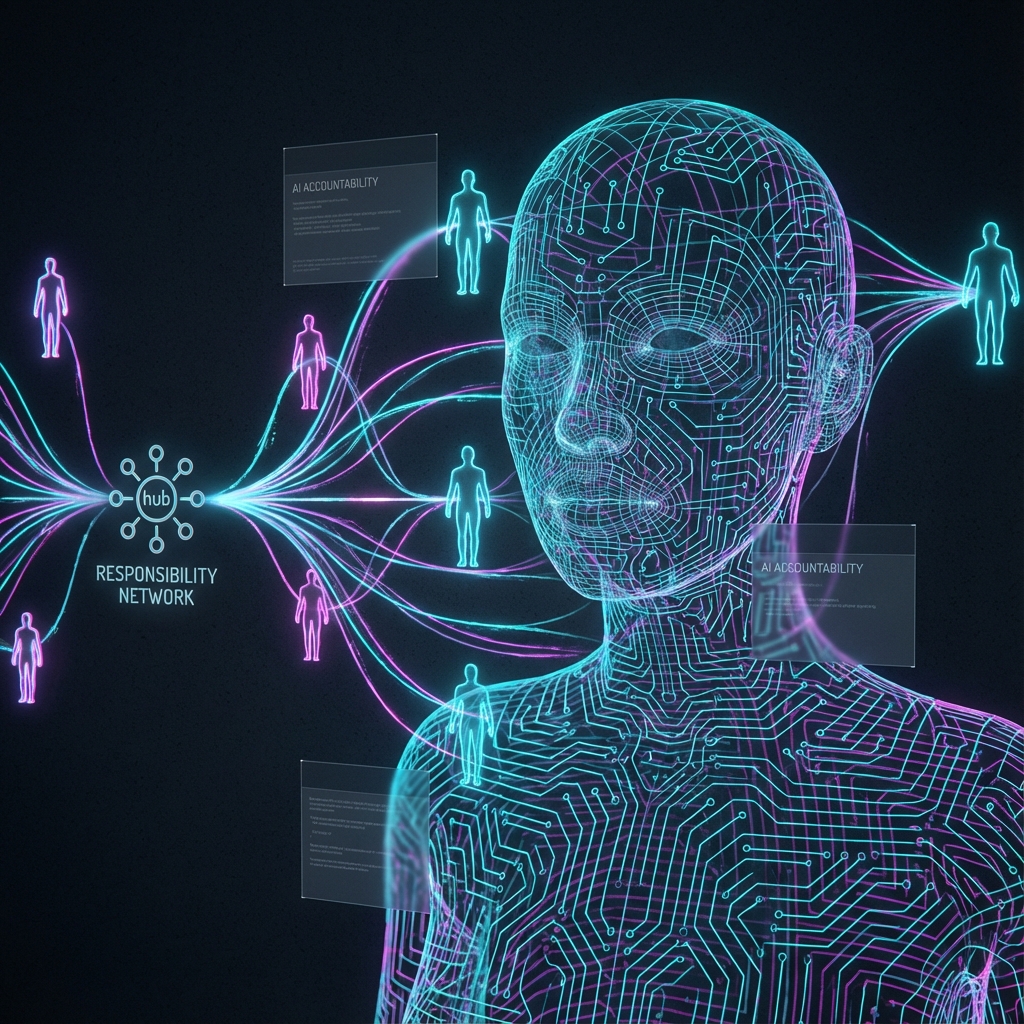
Once we agree rules are necessary, the justice system must tackle a tough issue: where does AI fit? Could it be seen as a tool, similar to a mower? Might it count as assistance, much like hired help? Some forward-looking minds even propose treating it as a legal entity. The label matters - it shapes what happens in court when things fail.
Some experts in law have looked into giving AIs a kind of official standing. Such status might let machines face lawsuits on their own, carry insurance, or cover harm using self-held resources - similar to how companies operate. Legal academic Lawrence Solum has examined if awareness or smart behavior must come before rights under law. He questions:
"Whether an AI could possess the sort of moral status that would entitle it to the full range of legal rights and duties."
— Solum, 1232
When systems reason and decide without human help, certain thinkers suggest they ought to function like separate parties legally - one able to manage property meant to compensate damage they create.
AI as Tool
Treating AI as a simple tool places full liability on users and operators, but fails to account for autonomous decision-making capabilities.
AI as Product
Product liability frameworks struggle with AI's ability to learn and evolve after deployment, unlike traditional manufactured goods.
AI as Legal Person
Granting legal personhood could enable AI to hold assets and insurance, but raises ethical concerns and liability shields for developers.
Yet calling AI a legal person brings serious ethical and real-world issues. Legal rules assume penalties stop wrongdoing - computers can't be punished this way. A machine doesn't experience guilt, dread confinement, or mind financial loss. Visa Kurki cautions about fitting AI into human-style legal roles. Instead of safeguarding society, giving AI rights may let developers avoid blame. He suggests that such a move could effectively:
"Protect the human owners from liability," shifting risk away from those who design it.
— Kurki, 17
If one AI were treated as its own legal being, the business behind it might assign fault to that system during a crisis - then drain the AI's funds to cover costs while shielding its main finances. Such setup lets firms push boundaries risk-free.
Yet considering AI purely as a 'product' poses challenges since software acts differently from tangible items. According to a RAND Corporation study:
"It is unclear whether courts will define AI as a product," making product liability rules harder to enforce.
— RAND Corporation, 4
Conventional regulations expect products to remain fixed post-manufacture. In contrast, AI evolves even after deployment. If a robot picks up harmful actions from its user, claiming the maker delivered a flawed item isn't straightforward. Because of this uncertainty, courts struggle to handle cases around smart machines - new terms are needed but missing.